Category: Contracts

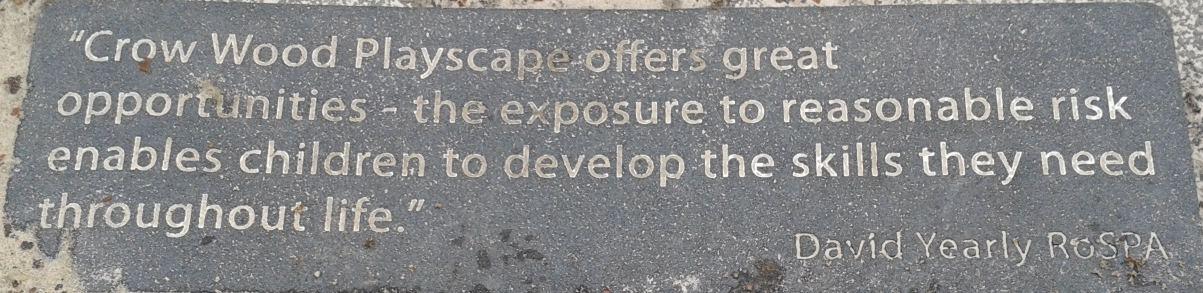
A slate engraved sign at a play park saying that if "offers great opportunities" and "the exposure to reasonable risk enables children to develop the skills they need throughout life" (a quote attributed to David Yearly of the Royal Society for the Prevention of Accidents). Photo by Sarah Fox
Sarah Fox

Review your contract: risk

The final element in my STAR analysis is Risk. Risk v Reward When reviewing your contract, you need to strike a balance between risk and reward (harm v benefits). Risk is inextricably linked to price and cost. If your deal seems too good to be true, it often is! In

Read More »

Negotiate your contract

In deciding whether a clause is unfair, a tribunal will consider whether your contract partner had a choice to accept or avoid a particular term. Many years ago, a highly influential judge, Lord Denning, said: None of you nowadays will remember the trouble we had – when I was called

Read More »

Be open

In researching terms and conditions, I came across a Report from the Office of Fair Trading (2011) on Consumer Contracts. The Report recommends that consumer contracts are written to be open, welcoming and fair. The same applies to B2B contracts. Be open The Report defines open contracts as ones where:

Read More »

What does warrant mean?

Warranty has a number of different usages in contracts and in normal talk: In this post, we consider the last of these usages. Warrants, acknowledges and undertakes In a collateral warranty relating to the construction of a leisure centre, clause 1 stated: ‘The Contractor warrants, acknowledges and undertakes that… it

Read More »

Don’t use three words when one will do

Many disclaimers (found in terms & conditions and small print) contain far too many words and are jam-packed with technical legal terms. This one is typical but comes from the GOV.UK website. These are well-written and surprisingly readable T&C. Guarantees, conditions or warranties The disclaimer starts by stating that the site

Read More »

Say no to jargon

Whether you are a lawyer, business owner or consultant, there are three temptations when writing a contract. They are: Temptation 1: using jargon and/or legalese Temptation 2: stealing with pride Temptation 3: writing a new deal Let’s start with temptation 1, typified by using jargon or phrases which you don’t

Read More »

Complete your contract

Now for some magic! This post is about invisible clauses. Implied Terms If your contract does not have enough terms to be workable, clauses can be added (implied) to make it work properly. They can be added as a result of: Custom [read more] Laws or statutes [read more] Cases

Read More »

No-one needs legalese

According to this Thomson Reuter’s Blog Legalese is “a colloquial term describing the body of formal and technical legal language that is difficult or impossible for laypeople to understand.” It is ridiculously common but can you avoid it when writing your contract? No-one needs legalese In this introduction to a

Read More »

Create confidence with plain language

This blog was prompted by a tweet from plain language specialist Cheryl Stephens. She was reviewing a UK Act of Parliament or law. ‘Cease to have effect on’ Many Acts of Parliament use a particular phrase to state when an Act, right or permission ends. This extract comes from The

Read More »

Using a net contribution clause

As a supplier on a construction project, English law allows you to use The Civil Liability (Contribution) Act 1978 to pass on some of the losses claimed against you. You can ask for a contribution from any other contractor, supplier or consultant who is responsible for the same damage [see

Read More »