Category: Risk

Disastrous disputes

Weirdly, avoiding disputes does not seem to be a key factor driving the drafting of contracts (although PPC2000 might be an exception). However, given the rising cost and time involved in resolving disputes, as well as the damage to reputations and the sustainability of a company, it should be. My
Read More »

Storm of showstoppers

Showstoppers are A clause or term that could bring negotiations or your contract to a juddering halt Over the past 9 months, my newsletters have proposed a series of tips, tools and techniques to spot and solve showstoppers. What should you do? Do you work with or for your clients?

Read More »

Insurance does not limit your liability

Do you believe that if you insure your liabilities, the level of your insurance cover acts as a limit on your liability? It doesn’t. This is the most common misconception among business owners when I am delivering workshops on contracts. My objective is to help both sides protect their interests

Read More »

Subcontractor delays: choose your weapon

What should be the contractor’s remedy when a subcontractor is running late? Under freedom to contract, the parties can decide their rights, remedies, obligations and liabilities – they are masters of their contractual fate. The choice is between recovering an uncertain amount provided you can prove breach and loss in

Read More »

What’s your response to increasing risk?

What is the long-term impact of transferring all the risk on a construction project to the contractor? In April 2016, defects found in 17 schools in Edinburgh resulted in those schools being closed to pupils. Like design and build, construction management and other procurement strategies, the Private Finance Initiative schemes

Read More »

What is your safety net?

When writing your contract, you may be tempted to see it as a form of safety-net. Rights and remedies… This means your contract will inevitably focus on what will happen when things go wrong. Is this really a good start to a client relationship? How do you think it makes

Read More »

A more reasonable limit: offer alternatives

One of the hardest items in a contract to draft effectively is any limit on your liability. Some of the reasons are: they get a lot of focus in the courts who interpret them strictly i.e. the court will only allow you to rely on a limit if it is

Read More »

Remedies for late payment

You can use your contract to describe what you want to happen if something happens which is outside the original contract: you can include delay damages if the provider is late you can include a mechanism to change the scope if the client changes her mind you can include a

Read More »

Certain terms in your contract

When writing your contract, you should create clauses which are certain. It is one of the five essential elements for a binding contract (see What You Need). The courts will not enforce  a clause or term if they cannot be sure what it means. Limiting Your Liability In Trebor v

Read More »
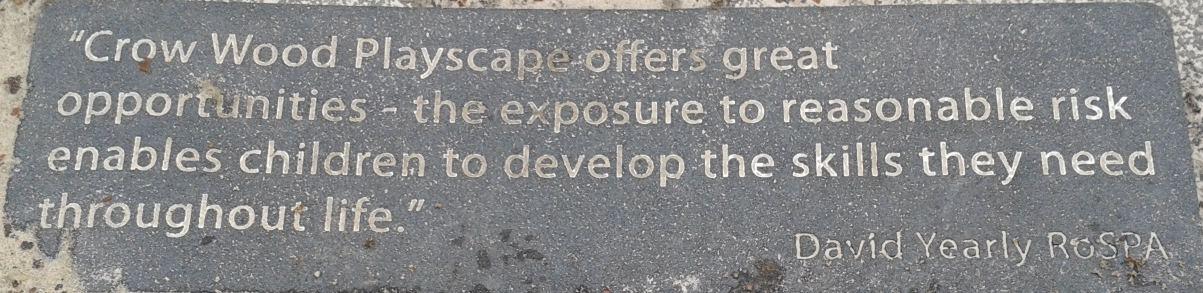
A slate engraved sign at a play park saying that if "offers great opportunities" and "the exposure to reasonable risk enables children to develop the skills they need throughout life" (a quote attributed to David Yearly of the Royal Society for the Prevention of Accidents). Photo by Sarah Fox
Sarah Fox

Review your contract: risk

The final element in my STAR analysis is Risk. Risk v Reward When reviewing your contract, you need to strike a balance between risk and reward (harm v benefits). Risk is inextricably linked to price and cost. If your deal seems too good to be true, it often is! In

Read More »